

Group 3 – Individuals and Societies
Group 3 examines how individuals and communities interact within social, economic, political, and psychological systems. Subjects in this group encourage students to investigate contemporary issues, analyse human behaviour, and understand global challenges. Learners develop research skills, critical thinking, and ethical awareness while exploring real-world contexts that shape societies.

The Business Management programme equips students with a comprehensive understanding of how businesses function within local and international contexts. Students explore key concepts such as leadership, marketing, finance, operations, and human resources while examining the ethical, social, and environmental responsibilities of organisations. Through real-world case studies and inquiry-based learning, learners develop critical thinking, decision-making, and problem-solving skills. The course encourages an entrepreneurial mindset, strategic awareness, and reflective practice, preparing students for future studies in commerce, management, and related disciplines.

The Economics programme introduces students to key economic principles while exploring real-world issues such as development, sustainability, inflation, unemployment, and international trade. Students examine how resources are allocated, how markets function, and how government policies influence economic outcomes. The course emphasises critical analysis through the interpretation of data, evaluation of economic models, and construction of balanced arguments. Learners develop quantitative skills, research competence, and conceptual understanding while engaging with contemporary global challenges. Through inquiry-based learning and real-life applications, students gain insight into economic systems and develop the ability to think independently, preparing them for higher education in economics, business, social sciences, and related disciplines.

The Digital Society programme explores the social, cultural, political, and ethical implications of digital transformation. Students investigate contemporary topics such as artificial intelligence, online identity, data privacy, digital economies, and the impact of technology on communication and governance. The course adopts an interdisciplinary approach, combining elements of social sciences, technology studies, and ethics. Through inquiry-based learning and real-world case studies, students develop critical thinking, research competence, and responsible digital citizenship. Learners are encouraged to evaluate both the opportunities and challenges presented by digital innovation, preparing them to engage thoughtfully with technological change in higher education and future careers.
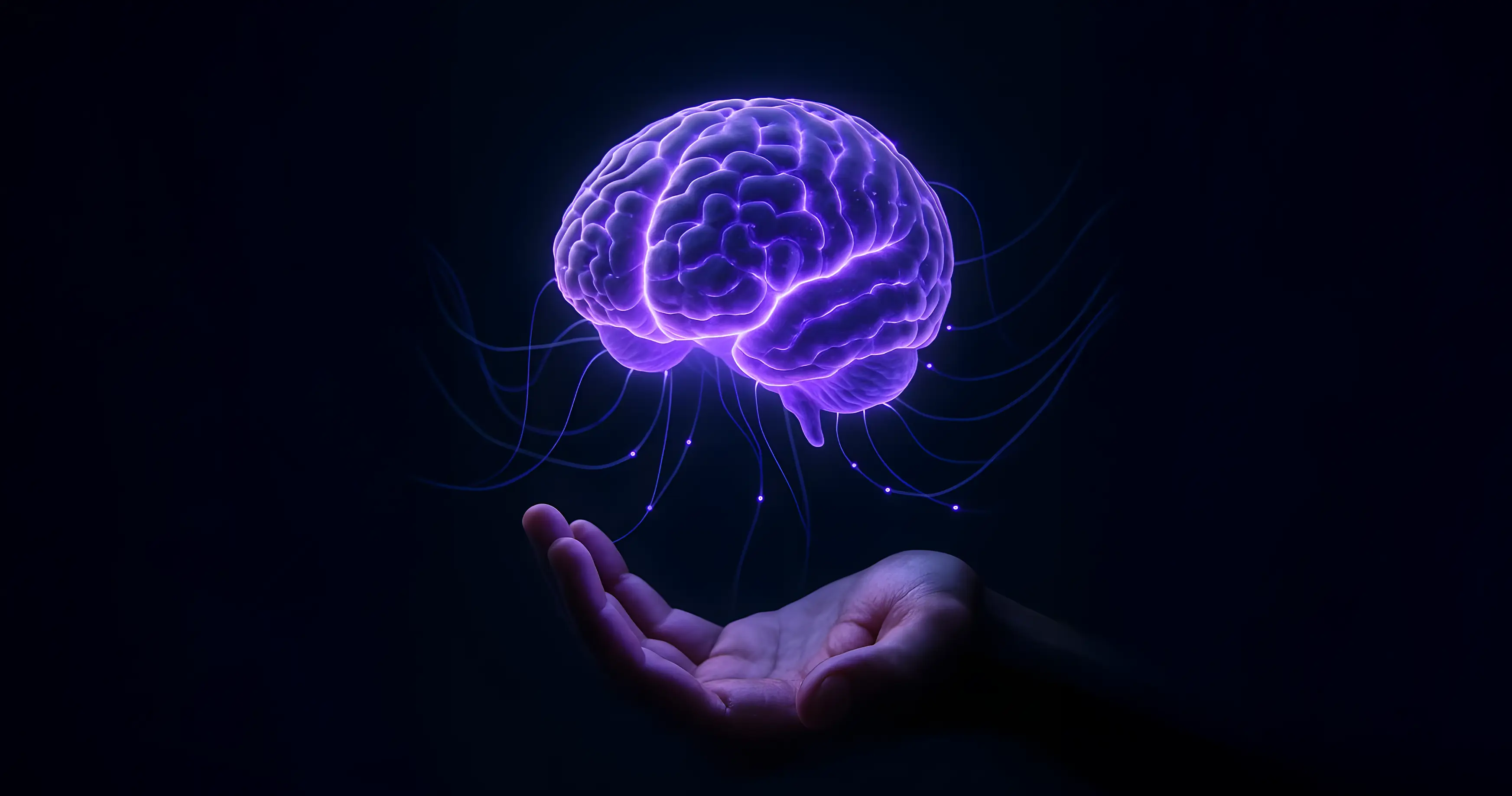
The Psychology programme introduces students to key psychological theories, research methods, and ethical considerations while exploring the biological, cognitive, and sociocultural influences on human behaviour. Students examine classic and contemporary studies to understand how psychological knowledge is constructed and applied in real-world contexts. The course emphasises scientific inquiry, critical evaluation, and reflective thinking, enabling learners to analyse behaviour from multiple perspectives. Through research-based learning and practical investigations, students develop strong analytical, writing, and evaluation skills. The programme also fosters empathy and ethical awareness, preparing students for further studies in psychology, health sciences, education, and other social science disciplines.
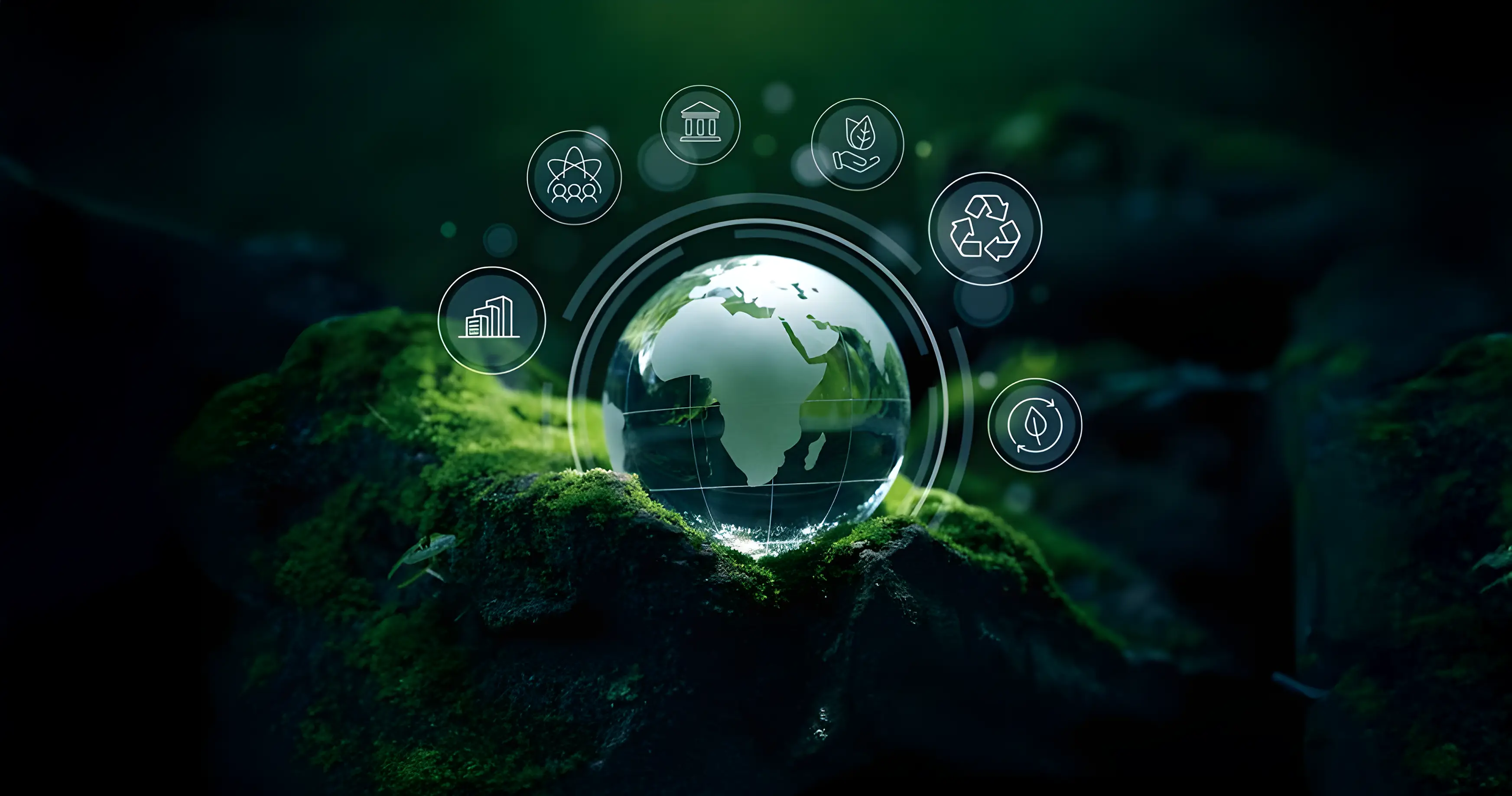
The Environmental Systems and Societies programme integrates scientific and societal perspectives to explore how environmental systems function and how human activities impact the natural world. Students investigate key topics such as ecosystems, biodiversity, climate change, resource management, and environmental policy. The course emphasises systems thinking, allowing learners to analyse complex interactions between ecological processes and social, economic, and political factors. Through inquiry-based learning and real-world case studies, students develop critical thinking, research skills, and environmental awareness. The programme encourages responsible global citizenship and prepares students for further studies in environmental science, sustainability, geography, and related disciplines.